Safety

Everyone goes homethe way they arrived.

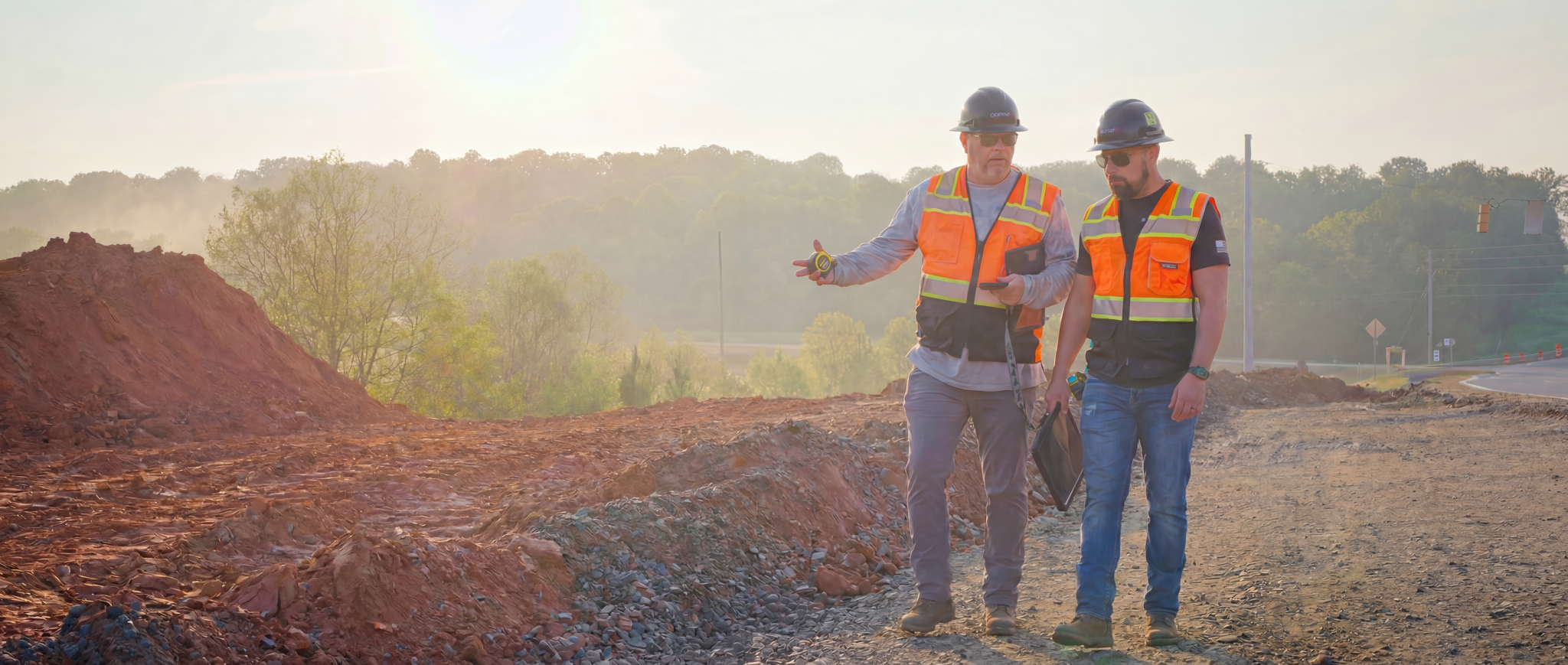
Compliance is the floor, not the program. Coast self-performs the highest-risk scopes, refreshes training on a cycle, and walks the work every day. Our crews and every sub standing on it. Here is how that works.

How it runs

Not a poster. A program.

Our own crews, our own standard
Start with who holds the tools

Our own crews, our own standard

Not a clause we enforce on somebody else

Coast self-performs concrete, steel and the scopes that carry the most risk, which means the people doing that work are on our payroll and not a subcontractor’s. Safety stops being a contract term we have to police on somebody else and becomes a standard we set, train and answer for ourselves.

Ladder safety, done the same way every time
And it comes back around

Training that repeats

Required, tracked, refreshed

Required training runs through our learning system and the roster is tracked rather than assumed. Certifications get refreshed on a cycle instead of at hire and then forgotten. New workers get watched closer and acclimated on purpose rather than thrown straight at the work.

Cold water on the job, before anyone asks
Every day, not every year

Daily checks in the field

Crews checked two to three times a day

Supervisors check the site every day. Our own crews and every subcontractor get checked the same way. Fall protection, equipment, ladders, extension cords, access and egress. When it gets hot the checks go to two or three times a day. The rest of the year the list does not change.

One crew, one standard
All of it counts

Mental health is safety

Physical and mental, same standard

We are personally invested in each employee’s physical and mental health. Anyone carrying a personal, health or safety issue can reach any manager at Coast at any time, and that is a standing offer rather than a formality.

Construction Safety Week 2026

Recognize. Respond. Respect.

The three pillars the industry aligned on this year, and the language we use on our own sites. All three are anchored in one thing: preventing serious injury on high-energy, high-hazard work at every phase of a job.

01

Recognize

Spot the high-energy hazard while it is still a plan, not a task. Preconstruction catches what a walkthrough on the morning of never will.

02

Respond

Say it and stop it. Anyone on a Coast site can call a stop, and nobody takes grief for calling one. Acting straight away is the whole point.

03

Respect

Respect for the skilled craft, shared across design, planning, construction and everything after. Every team member carries it, not just the one in the vest.

The calendar

Practicing safety around the clock

A safety program you can follow by the season, every single year.

May

Construction Safety Week

Stand-downs across every site, and the year’s pillars go out to every employee with the reasoning behind them. This is where the industry language gets set for the rest of the year.

Summer

Heat illness prevention

Shade structures and cold water on site. Additional breaks. Crews checked two to three times a day. Air-conditioned trailers open to anyone in trouble. Instant ice packs, pop-up tents and cooling towels stocked ahead of the forecast, not after it turns. Every supervisor knows heat exhaustion from heat stroke, because it does not take long to go from one to the other.

June

National Safety Month

A weekly focus for the whole month. This year that included staying safe on the roads: defensive driving, cutting distractions, and treating the drive to the job as part of the job.

Winter

Cold, ice and short daylight

The hazards flip and the habit does not. Short daylight means lighting and high-visibility gear stop being a formality. Ice, standing water and frozen ground turn ordinary footing into the likeliest injury on a site. Cold stress creeps up the same way heat does, so the rule holds: check the crews, not the thermometer.

All year

The part that never comes off the calendar

The seasons change what the hazard is. They do not change how the program runs.

  • Training on a cycleRequired training and certifications get refreshed on a schedule instead of at hire and then forgotten, and the roster is tracked rather than assumed.
  • New hires worked in on purposeAnyone new to a Coast site gets watched closer and brought up to speed deliberately, whatever the month says.
  • Planning before the taskHigh-hazard work gets caught in preconstruction, while it is still a plan and not somebody already holding the tool.
  • Meetings and toolbox talksSafety meetings at the office and on the jobsite, so the standard gets said out loud instead of assumed.
  • An open line, both directionsRaise a concern or a suggestion with any manager at any time. If the crews think there is something we need to go over, it gets discussed.

In Lancaster last June a Coast project manager handed back the last fifteen minutes of the day: ice cold electrolyte drinks in the shade, and a run through heat illness prevention with the crew. Some of the program is written down. Some of it is just somebody noticing how hard the work is.

Christopher Greenough, Project Manager, Lancaster, June 2026

Getting in touch

Want to see how we run a site?Ask us for the program

Clients and subcontractors who want the safety program in writing, and anyone on a Coast site carrying a concern or a suggestion. The standing rule here does not change: raise it with any manager, any time, and it gets discussed.